


Lower Cross Start a conversation

Insights

What we’re seeing. What it means for growth.

Operating truth, creative systems, market signals, and proof. Frameworks we use inside engagements, written for the leaders who have to decide.

Latest notes
Measurement2 min read

ROAS is up. Is the business worth more?

Strong ad numbers and a stronger business are not the same thing.

“Every number is right about something. None of them is right about everything.”

01

The dashboard isn’t the business

Platform ROAS can rise while profit falls. Discounts pull sales forward, retargeting takes credit for customers who were already buying, and new customers cost more than the report shows. Shopify tells you what sold. The platforms tell you what they spent. Attribution estimates what moved demand. Contribution tells you whether the growth was worth buying. Every number is right about something. None of them is right about everything.

02

Read four numbers together

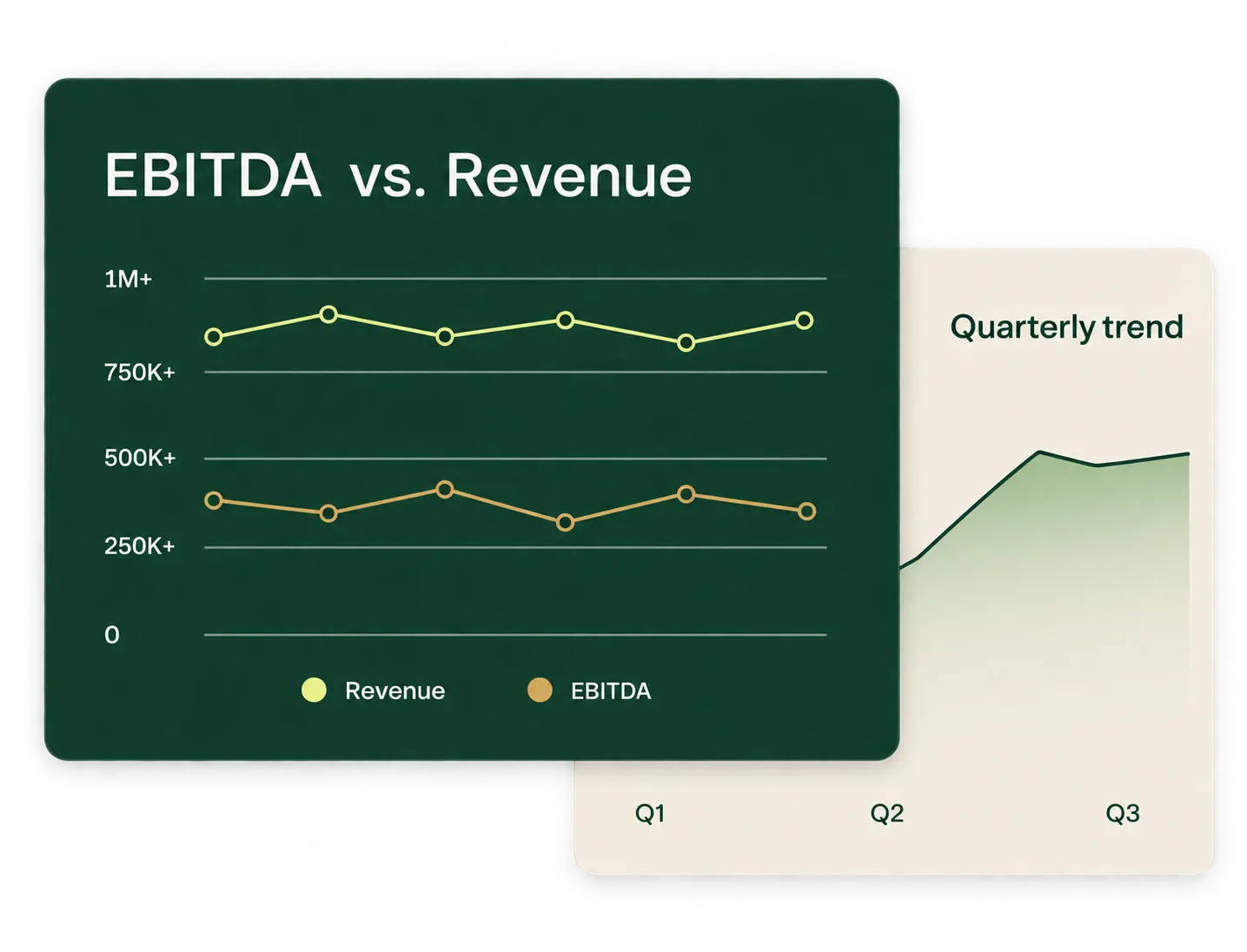
Revenue comes from the commerce record. Spend comes from the platforms. Attribution comes from an independent model. Contribution comes from the financial model. When the four agree, you can act with confidence. When they disagree, the gap is the most useful information you have. It tells you where the reporting is flattering the business.

03

End with a decision

Data matters only when it changes what you do next. Add the context the numbers can’t see: inventory, promotions, launches, pricing, and seasonality. Then leave every review with a decision, an owner, and the signal that would change it. Growth you can underwrite starts there.

Operating model2 min read

Five agencies and no one in charge

Good partners can still add up to a business nobody is running.

“Keep the specialists. Give someone the whole picture.”
01

Every partner is doing their job

Media hits its targets. Creative ships on time. Email sends on schedule. The business still stalls. Each partner optimizes their own piece, and nobody owns how the pieces connect: the offer creative is selling, the customer media is buying, the margin the business keeps, and what one channel learned that another should use.

02

You’ve become the integration layer

The signs are easy to spot. You see three versions of performance, status meetings that don’t end in decisions, creative briefs with no economics behind them, and retention plans disconnected from what acquisition promised. Leadership ends up translating between partners instead of running the company. That isn’t a talent problem. It’s how the work is set up.

03

Put one person in charge of the result

The answer isn’t always fewer partners. It’s one growth plan, shared measures, clear decision rights, and a senior operator who owns the outcome across strategy and execution. Keep the specialists. Give someone the whole picture.

Creative2 min read

More ads won’t fix a weak offer

Volume can hide the real problem instead of solving it.

“If the message is wrong, more versions of it just cost more.”
01

Volume isn’t the answer to every slowdown

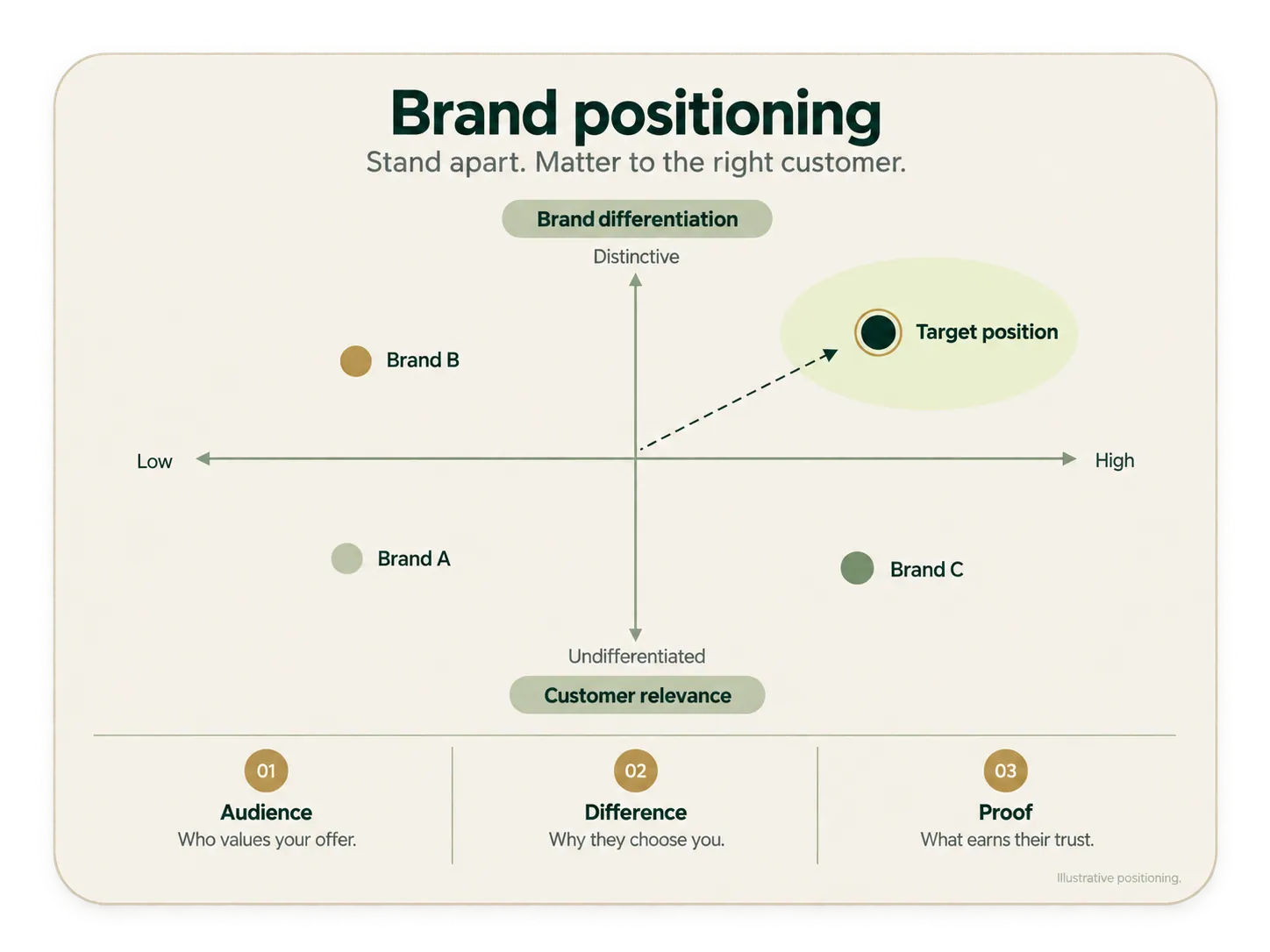
When performance slips, the default advice is to make more creative. Sometimes that’s right. Often the real issue is upstream: the positioning, the offer, or the reason to buy. If the message is wrong, more versions of it just cost more. The team stays busy and the business doesn’t learn anything.

02

Find out which problem you have

Look at what’s failing. If new concepts with different angles also stall, the problem is probably the message or the offer, not the execution. If one angle works and fatigues quickly, you need more variation on that angle. Each diagnosis calls for a different fix, and most teams skip this step.

03

Test ideas, not just formats

Every new concept should test something the business wants to know: a different customer tension, promise, or proof point. Track what worked, for whom, and under what conditions. Then hand those findings to media and the site. That’s how creative builds knowledge the business can use again instead of producing assets it throws away.

Let’s build.

Tell us what you're building, what needs to change, and we’ll take a look.

$2B+Sales generated for brands we’ve worked with
$750M+Media managed against margin
20+Years building and operating
Google PartnerMeta Business PartnerShopify PartnersKlaviyo Partner
Start a conversation

Your next inflection point starts here

I'm reaching out as
As featured in
The Wall Street Journal
The New York Times
Bloomberg
CNBC
Forbes
Fortune
Ad Age
Adweek
Lower Cross Start a conversation
Expertise↗Who we help↗Work↗Medallion↗The firm↗Perspectives↗Start a conversation ↗

Insights

What we’re seeing. What it means for growth.

Operating truth, creative systems, market signals, and proof. Frameworks we use inside engagements, written for the leaders who have to decide.

Latest notes
Measurement2 min read

ROAS is up. Is the business worth more?

Strong ad numbers and a stronger business are not the same thing.

Read the note ↓
Measurement2 min read

ROAS is up. Is the business worth more?

Strong ad numbers and a stronger business are not the same thing.

“Every number is right about something. None of them is right about everything.”
01

The dashboard isn’t the business

Platform ROAS can rise while profit falls. Discounts pull sales forward, retargeting takes credit for customers who were already buying, and new customers cost more than the report shows. Shopify tells you what sold. The platforms tell you what they spent. Attribution estimates what moved demand. Contribution tells you whether the growth was worth buying. Every number is right about something. None of them is right about everything.

02

Read four numbers together

Revenue comes from the commerce record. Spend comes from the platforms. Attribution comes from an independent model. Contribution comes from the financial model. When the four agree, you can act with confidence. When they disagree, the gap is the most useful information you have. It tells you where the reporting is flattering the business.

03

End with a decision

Data matters only when it changes what you do next. Add the context the numbers can’t see: inventory, promotions, launches, pricing, and seasonality. Then leave every review with a decision, an owner, and the signal that would change it. Growth you can underwrite starts there.

Operating model2 min read

Five agencies and no one in charge

Good partners can still add up to a business nobody is running.

“Keep the specialists. Give someone the whole picture.”
01

Every partner is doing their job

Media hits its targets. Creative ships on time. Email sends on schedule. The business still stalls. Each partner optimizes their own piece, and nobody owns how the pieces connect: the offer creative is selling, the customer media is buying, the margin the business keeps, and what one channel learned that another should use.

02

You’ve become the integration layer

The signs are easy to spot. You see three versions of performance, status meetings that don’t end in decisions, creative briefs with no economics behind them, and retention plans disconnected from what acquisition promised. Leadership ends up translating between partners instead of running the company. That isn’t a talent problem. It’s how the work is set up.

03

Put one person in charge of the result

The answer isn’t always fewer partners. It’s one growth plan, shared measures, clear decision rights, and a senior operator who owns the outcome across strategy and execution. Keep the specialists. Give someone the whole picture.

Creative2 min read

More ads won’t fix a weak offer

Volume can hide the real problem instead of solving it.

“If the message is wrong, more versions of it just cost more.”
01

Volume isn’t the answer to every slowdown

When performance slips, the default advice is to make more creative. Sometimes that’s right. Often the real issue is upstream: the positioning, the offer, or the reason to buy. If the message is wrong, more versions of it just cost more. The team stays busy and the business doesn’t learn anything.

02

Find out which problem you have

Look at what’s failing. If new concepts with different angles also stall, the problem is probably the message or the offer, not the execution. If one angle works and fatigues quickly, you need more variation on that angle. Each diagnosis calls for a different fix, and most teams skip this step.

03

Test ideas, not just formats

Every new concept should test something the business wants to know: a different customer tension, promise, or proof point. Track what worked, for whom, and under what conditions. Then hand those findings to media and the site. That’s how creative builds knowledge the business can use again instead of producing assets it throws away.

Let’s build.

Tell us what you're building, what needs to change, and we’ll take a look.

$2B+Sales generated for brands we’ve worked with
$750M+Media managed against margin
20+Years building and operating

Google PartnerMeta Business PartnerShopify PartnersKlaviyo Partner
Start a conversation

Your next inflection point starts here

I'm reaching out as
As featured in
The Wall Street Journal
The New York Times
Bloomberg
CNBC
Forbes
Fortune
Ad Age
Adweek